
Most "procurement software for small business" pages rank intake, approvals, and a source-to-pay suite.
That is a real category.
If you import for Amazon FBA or Shopify, it is usually the wrong first buy.
Those products answer "who signed this."
An importer's harder question is what the purchase order became after freight, duty, and a short receipt.
Approving $6.40 a unit does not make the SKU cost $6.40.
Stay here when email and a spreadsheet are finished: what the software has to hold, and which kind of system is worth a trial.
If you want the task list (what to automate first), use procurement automation software.
Stay here when you are choosing a category, not writing rules.
If Two People Can Raise A PO And Neither Knows The File
You run a small team.
You buy finished goods from factories or trading companies, or you buy a mix of goods and internal spend.
You sell on FBA, Shopify, or both.
Two people can raise a PO today and neither is sure which file is current.
Skip the enterprise source-to-pay shortlist if you do not have a procurement function, a chart of accounts by department, or employees buying laptops on cards.
Those tools solve a real problem.
A founder with four factories will spend the year configuring intake forms they do not have.
Need a factory scorecard before you buy software?
Start with the supplier evaluation matrix and the templates.
What Procurement Software Means For A Small Importer
Procurement software in the SMB search results is spend control: request, approve, PO, receive, invoice, budget.
For an importing brand, the useful meaning is narrower.
Software has to follow one purchase from the factory to sellable stock, and keep the cost of that path on the SKU.
The objects are the PO, the documents, the dates, and the inbound charges.
Guided procurement (the other query this URL picks up) is catalogs and preferred vendors for internal buying.
Fine for office spend.
It will not allocate a container.
A demo that leads with "AI-native source-to-pay" and cannot open one of your freight invoices is the first definition wearing the second definition's name.
The purchase order definition is the commercial record: what you agreed to buy, at what price, by when.
Creating one is the walkthrough.
Software has to keep that record alive after the PDF is emailed.
When Email And The Spreadsheet Stop Working
A shared inbox and a PO sheet are the right first system.
Cheap.
Visible.
Honest about what you do not know yet.
They hold while one person buys, you have a handful of SKUs, and every invoice matches the PO.
The day a revised factory invoice shares a number with the one already approved, you are already late.
The usual collapse is not a missing approval.
The request lives in Slack.
The PO lives in email.
The ship date lives in WeChat.
The freight bill arrives after the bill was paid.
Someone prices the next order on the approved unit cost.
That is a record problem.
Landed cost spreadsheet vs software is the cost-model version.
Stay here for the buying problem: approval and execution have to stay attached.
Keep the templates until a system has earned the right to replace them.
A neglected procurement app is worse than a dated sheet everyone still opens.
Approved At $6.40. True Cost $9.06.
A three-person Shopify + FBA brand approves a 2,000-unit PO at $6.40.
Factory invoice $12,800.
Paid on Net 30.
The rest of the shipment never went back through the approval path:
| Line | Amount |
|---|---|
| Ocean freight (revised after booking) | $3,050, not the $2,200 on the PO |
| Duty and brokerage | $1,140 |
| Trucking + FBA inbound prep | $860 |
| Sellable units received | 1,970 |
True unit cost: $9.06.
The approval software did its job.
It gated the PO.
It never saw the freight revision.
On a 2,000-unit cadence that is about $1,100 of missing cost if they only added the first freight quote ($8.50), or more if they left the SKU at $6.40.
Run the same shipment through the landed cost calculator and the MOQ calculator before you treat the next supplier minimum as "approved."
What The Software Has To Cover
Score the product against the work between "we should buy" and "this SKU is sellable at a cost we can explain."
Ignore module counts.
A Purchase Order That Stays The Record
Supplier, SKUs, quantities, agreed cost, Incoterm, promised date, partials, the revised ship date.
If a date change only exists in chat, the PO is decoration.
Approvals That Match Risk
A repeat 200-unit reorder should not use the same path as a new factory.
Intake tools are strong here.
Importer tools are weaker unless you add a simple review step.
Documents On The Same Record
Commercial invoice, packing list, freight bill, duty.
Invoice processing is the capture slice.
Supplier management is the factory-facing slice.
Landed Cost, Not Just Commitment
Factory price, inbound charges, allocation rule.
Estimates get replaced.
What landed cost is is the definition.
A Budget View That Does Not Hide Freight
Department budgets matter when employees buy services.
When the leak is a container, "on budget" can still mean unprofitable SKUs.
Score The Trial, Not The Demo
Take two or three products.
Run the same SKU, the same approval, the same freight invoice, the same late shipment.
Use 0-5.
Write down what you saw.
| Criterion | Weight | What "5" Looks Like | What "1" Looks Like |
|---|---|---|---|
| Purchase order as record | 20% | Status, qty, cost, and date changes live on the PO | The PO is an export of Slack |
| Approval fit | 15% | Risk-based, explainable in one sentence | Every request, same slow path |
| Document trail | 20% | Invoice, packing list, and freight attach | Files live in Drive |
| Landed cost | 20% | Shared charges allocate; estimates get replaced | Approved unit price only |
| Supplier execution | 15% | A second person can see what the factory confirmed | The buyer is the integration |
| Time to value | 10% | A three-person team can run it this month | A consultant to create a vendor |
Weighted score = sum(score × weight).
A 4.3 on a source-to-pay suite and a 4.0 on an importer tool are not comparable if you cannot implement the 4.3.
Five Places To Look, Not A Trophy List
Category judgments.
Not a lab test.
Pricing omitted on purpose.
Ask against PO volume and who is allowed to buy.
Most products in this search repeat the same three words: purchase orders, suppliers, invoices.
That is spend control.
It is not automatically Amazon or Shopify.
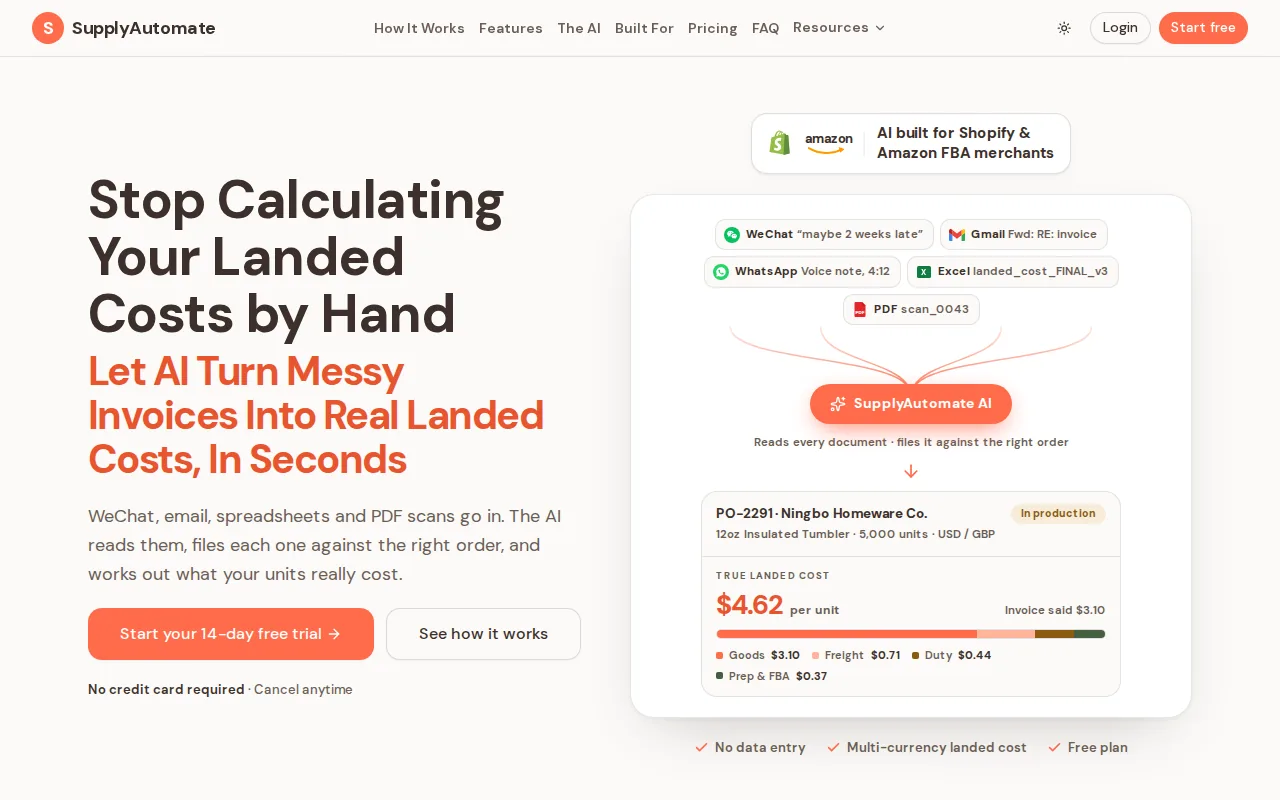
SupplyAutomate, If The Daily Questions Are "What Moved?" And "What Did It Cost?"
Built for Amazon FBA and Shopify importers who want purchase orders, supplier documents, and landed cost in one workspace.
Upload the invoice, packing list, and freight bill.
Match them to the PO.
See the SKU cost and what is still late.
It is not a global source-to-pay suite.
Regional sourcing events, employee catalogs, card spend: look at the other rows.
You still need clean SKUs and honest dates.
Start with one recent PO and its documents.
The wider operations map is supply chain management software.
Approval And Intake Tools (Precoro, Zapro, Kissflow) When The Leak Is "Who Signed This?"
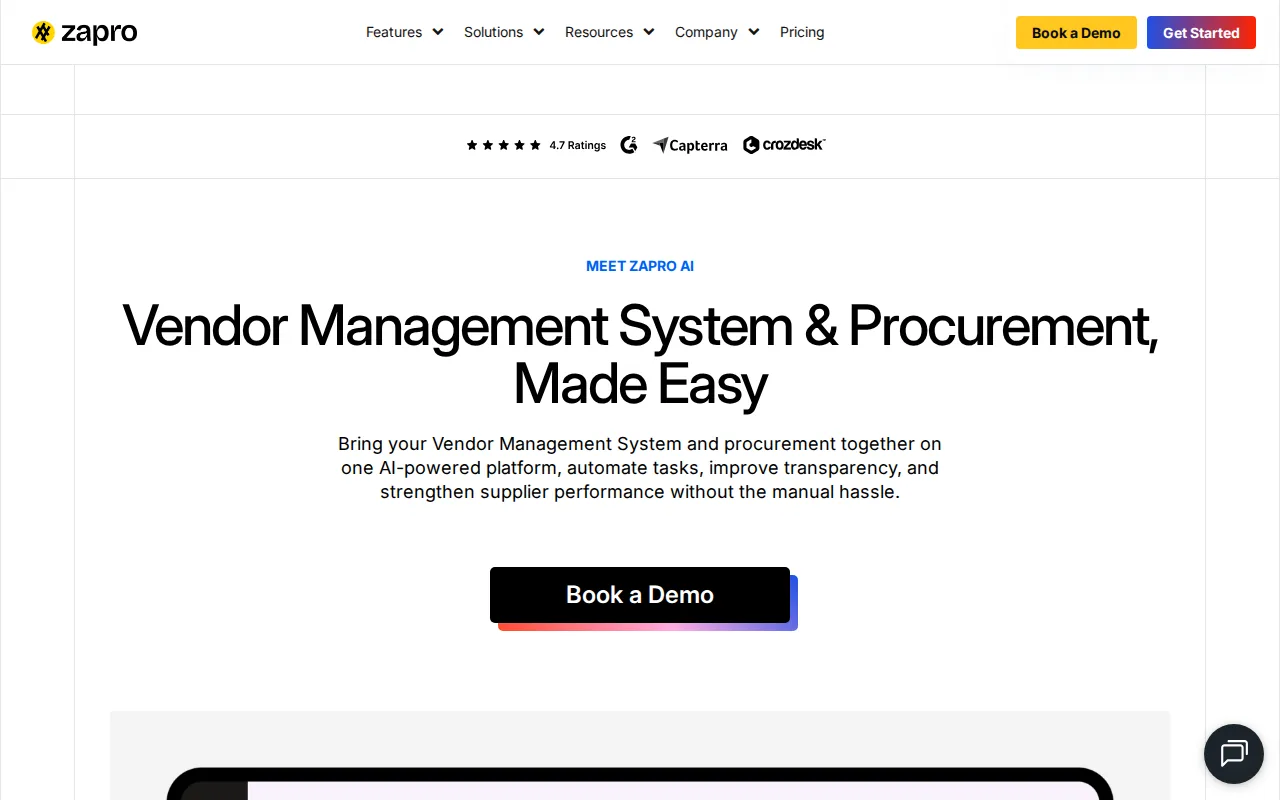
Zapro is sold as a lighter, AI-native source-to-pay path.
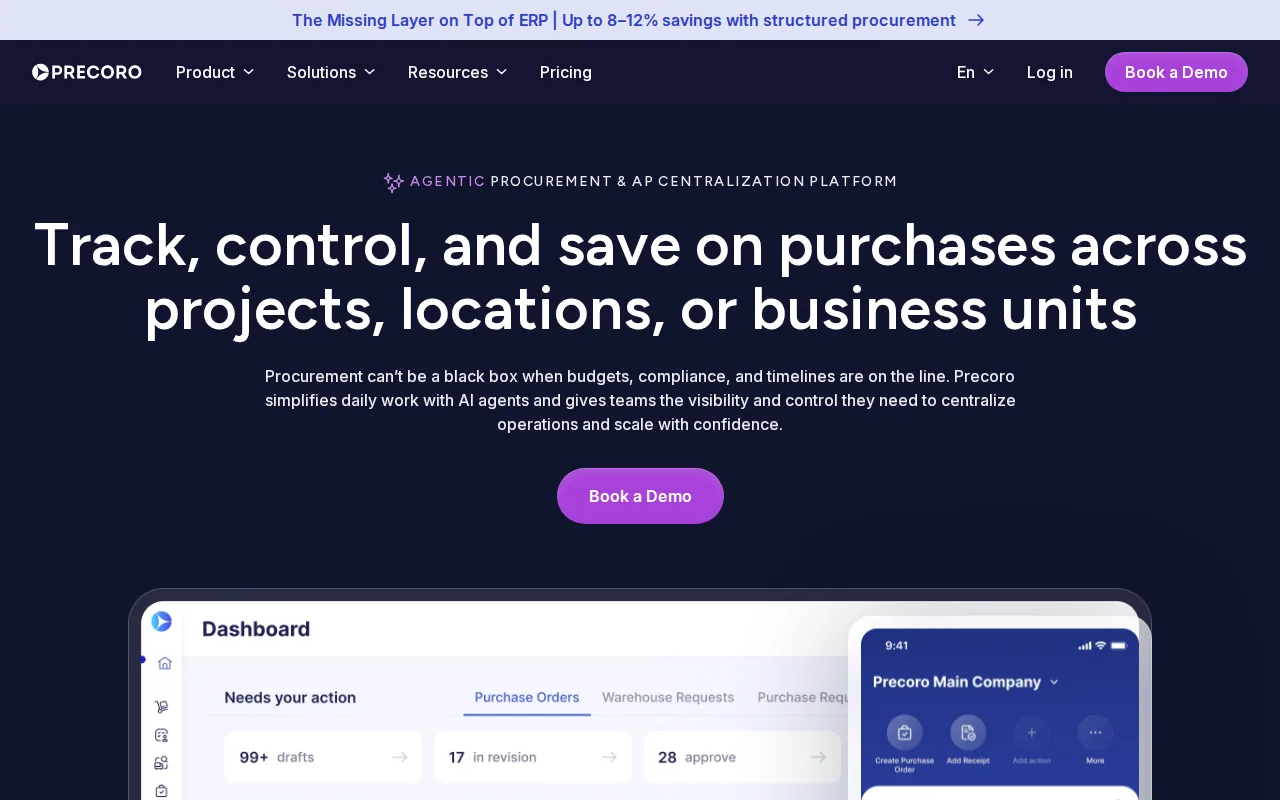
Precoro is the budget-and-approval shape: requests, POs, receipts, invoices, department views.
Kissflow is the no-code workflow shape when every department wants a different form.
An approved vendor is not a received shipment.
If your losses come from wrong unit cost, an approval workflow will not see them.
Score this row low on landed cost unless they can show freight and duty with your files.
Compare the invoice side with AP automation.
A fifteen-person team rarely needs every module.
Start with one approval path.
Spend Platforms (Ramp And Peers) When Cards And Bills Are The Same Conversation
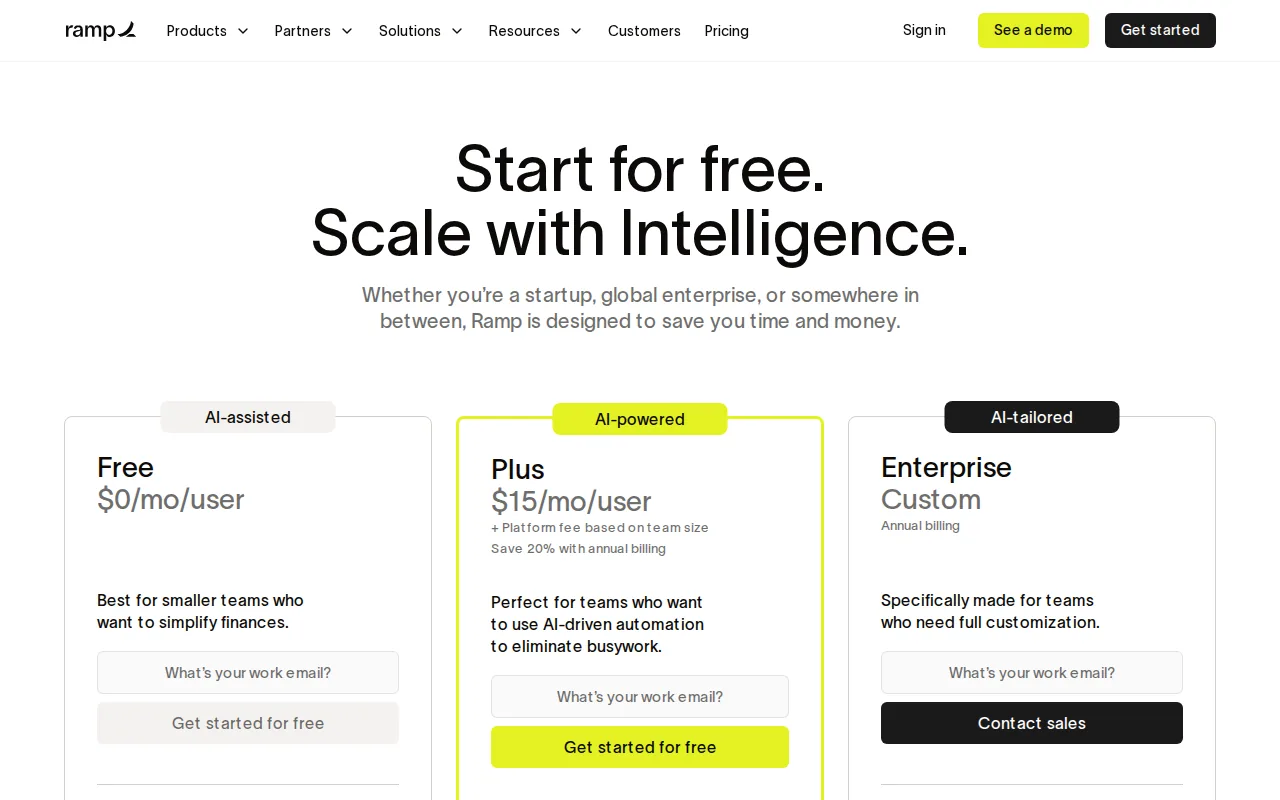
Fast-growth finance teams use these to gate spend, pay bills, and keep vendor records.
Speed is the pitch.
For an importer, spend control is half the job.
You still need freight, duty, and documents on the goods you will sell.
Ask to see a partial delivery and a SKU-level allocation before you treat it as procurement for inventory.
Inventory-First Purchasing When Stock Locations Hurt More Than Approvals
A purchasing module on Cin7 or peers can raise a PO from a reorder point and receive it against stock.
Honest when overselling is the pain.
Thinner before the goods land.
See ecommerce inventory management.
Enterprise Suites When You Already Have Procurement
Coupa-class, ERP purchasing, guided catalogs.
You need a procurement function and a supplier base large enough to justify the project.
A founder with four factories will configure a process they do not have.
How Those Categories Score For A Small Import Team
| Criterion | SupplyAutomate | Approvals / intake | Spend platform | Inventory-first | Enterprise S2P |
|---|---|---|---|---|---|
| Purchase order as record | Strong | Strong | Partial | Strong | Strong |
| Approval fit | Partial | Strong | Strong | Partial | Strong |
| Document trail | Strong | Partial | Partial | Partial | Partial |
| Landed cost | Strong | Weak | Weak | Partial | Weak for this job |
| Supplier execution | Strong | Partial | Partial | Partial | Portal-based |
| Time to value | Strong | Medium | Strong if finance-led | Medium | Weak |
"Partial" means the category can store the data if you build around it.
Free access is uncommon in this category and changes often.
Confirm the current trial.
A trial is useful only if you run a full purchase cycle, not a sample request.
FAQ
What Is The Best Procurement Software For Small Business?
It depends on the leak.
SupplyAutomate is the trial I would run first for Amazon FBA and Shopify importers who need documents and landed cost on the PO.
Precoro, Zapro, Kissflow, and Ramp-class tools fit teams whose problem is approvals, budgets, or employee spend.
There is no single winner across those jobs.
Is Procurement Software Worth It For A Small Business?
Yes when email and sheets make it hard to know what was approved, ordered, received, or paid.
For e-commerce, it earns its place when supplier documents and freight change SKU margins.
If you make a few purchases a month and one person still has the files, a PO template may be enough.
What Should Small Businesses Look For?
Fast setup, an explainable approval rule, a PO that stays current, invoice matching, and links to the systems you already use.
Importers should add landed cost and a factory date change to that list.
Test a partial delivery and a shared freight charge.
Does Procurement Software Track Landed Cost?
Some track commitments.
Few calculate true landed cost.
SupplyAutomate is built for that gap.
Ask other vendors to show freight, duty, and supplier charges at the SKU, then compare the result with how to calculate landed cost.
Is There Free Procurement Software For Small Business?
Sometimes a trial.
Rarely a full free product that covers POs, invoices, and cost.
Confirm current terms.
Shopify native purchase orders are free for the basic loop if you only need that.
They will not allocate a container.
An approved factory price is not the number you will earn on.
Who can buy, and whether a department is over budget, belongs in intake and spend tools.
Documents, dates, and unit cost on a factory PO do not.
SupplyAutomate is built for that record.
The landed cost calculator and MOQ calculator will show which problem you actually have.